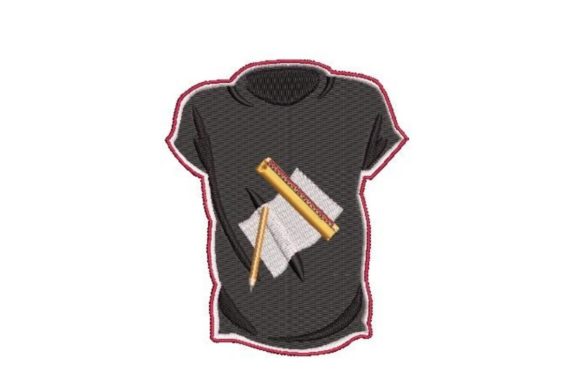
Black T-shirt: A Designer’s Review for Back To School Embroidery
As a designer who has spent countless hours digitizing and testing machine embroidery designs, I approach every new file with a mix of curiosity and skepticism. We have all been there: you download a promising digital embroidery file, load it onto your machine, and hope it translates from screen to fabric without a hitch. Today, I am taking a close look at the Black T-shirt design, specifically evaluating its potential for the upcoming Back To School season. This is not just about whether the design looks cute on a thumbnail; it is about how it performs in real-world applications for craft businesses, Etsy sellers, and hobbyists alike.
First Impressions and Visual Personality
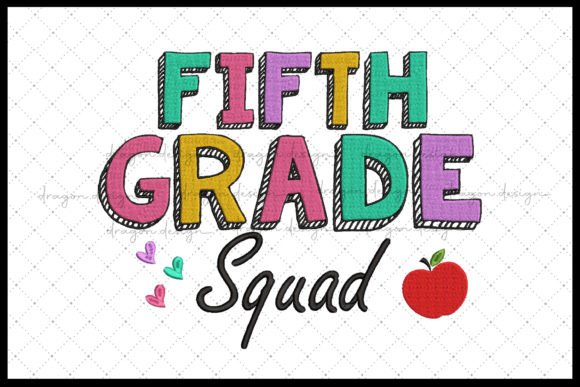
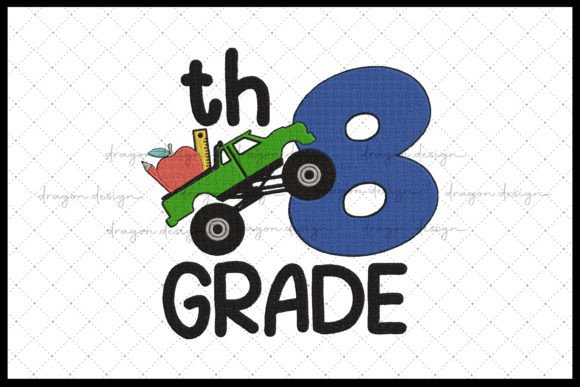
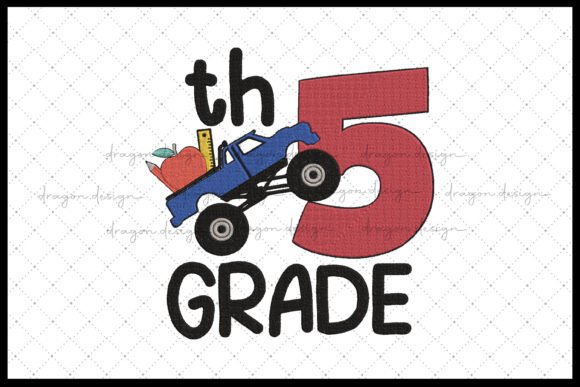
The first thing that strikes me about the Black T-shirt design is its versatility. It carries a casual, youthful energy that fits perfectly within the Back To School category. The layout appears balanced, avoiding the common pitfall of being too dense in the center while leaving awkward empty spaces on the periphery. For an embroidery project, this balance is crucial. It suggests that the digitizer considered how the thread will pull on the fabric, which is a good sign for structural integrity.
Visually, the design seems to rely on clear shapes and distinct lines. In my experience, designs that work best for school-themed items—whether they are for elementary students or college freshmen—need to be readable from a distance. Complex, overly intricate details often get lost in the texture of cotton or polyester blends. This design appears to prioritize clarity, making it an excellent candidate for items where quick visual recognition matters, such as personalized backpacks or classroom decor.
Real-World Application: The Custom Tote Bag Test
To truly understand the value of this design, I imagined a specific real-life scenario: preparing a custom embroidered tote bag for a local boutique client. Tote bags are a staple for students, used for carrying books, laptops, and gym gear. They are also a high-margin item for small shop products.
When stitching the Black T-shirt design onto a canvas tote, the primary concern is fabric stability. Canvas is thick and textured. If this design utilizes a significant amount of satin stitch, it needs to be wide enough to cover the weave of the fabric without sinking in. If it relies more on fill stitch areas, the density must be moderate to prevent the bag from becoming stiff and board-like. Based on the preview, the design seems to strike a reasonable balance, likely using a combination of running stitches for outlines and moderate fill for larger areas. This makes it suitable for a handmade product that needs to remain functional and soft, not just decorative.
Expanding Beyond Bags: Apparel and Accessories
Beyond tote bags, this design shines in custom apparel. Imagine this stitched on the chest pocket area of a denim jacket or across the back of a hoodie. Sweatshirt embroidery requires careful attention to stretch. If the design is too dense, it can pucker the fleece or knit fabric when the garment is worn. For the Black T-shirt design, I would recommend using a cut-away stabilizer for knit fabrics to ensure the stitching remains smooth after multiple washes. For woven fabrics like twill caps or aprons, a tear-away stabilizer might suffice, but always test first.
For baby embroidery, such as on a onesie or a burp cloth, the scale of the design becomes critical. You must check the hoop size compatibility. If the design is available in multiple sizes, the smaller version could work beautifully for infant garments, provided the detail level does not become so small that the threads merge together. Always inspect small details closely before committing to a final run.
Technical Considerations for Stitching Success
Before you sell this as a finished product or use it in commercial embroidery projects, there are technical factors to address. The product description notes that this machine embroidery design comes with multiple embroidery file formats. This is essential for compatibility with various machines, from Brother to Janome to Bernina. However, it does not specify exact stitch counts or recommended hoop sizes. As a professional, I advise you to open the file in your editing software to verify these details.
- Check Stitch Density: High density can cause needle breaks and fabric distortion. Ensure the density is appropriate for the fabric weight you intend to use.
- Thread Color Contrast: Since this is themed for school, consider classic color palettes. Navy, forest green, and maroon are popular, but ensure your thread colors contrast well with the fabric. Test the design in black and white mockups to see if the shapes hold up without color reliance.
- Stabilizer Selection: Never skip the stabilizer. For stretchy fabrics like t-shirts, use a soft cut-away. For stable fabrics like tote bags or pillow covers, a medium-weight tear-away is usually sufficient.
- Fabric Texture: Textured fabrics can hide fine details. If the design has tiny lettering or intricate corners, avoid highly textured materials like bouclé or heavy linen.
Navigating Potential Challenges
While the Black T-shirt design is versatile, it is not without its limitations. Designs intended for Back To School themes often feature bold elements, but you must be cautious with curved surfaces. Embroidering on a cap, for example, requires a different approach than flat embroidery. The design must be centered perfectly, and the curvature of the cap can distort the image if the hoop tension is not adjusted correctly. If the design has large solid areas, consider breaking them up or ensuring the underlay is robust to prevent shifting.
Another area of caution is dark fabric. If you are stitching this design on a black or navy garment, you may need to use a water-soluble topping to prevent the fabric pile from poking through the stitches. This is especially true for towels or fleece. Without a topping, the finished product may look fuzzy and unprofessional, reducing customer trust and perceived value.
Commercial Viability and Brand Consistency
For Etsy sellers and creative entrepreneurs, the appeal of a design lies in its marketability. Does the Black T-shirt design enhance brand consistency? If your shop focuses on minimalist, modern aesthetics, this design might need to be scaled down and placed subtly. If your brand is playful and colorful, you can go bold with vibrant thread colors. The key is to ensure that the embroidery project aligns with your overall brand identity.
Furthermore, consider the licensing. The description mentions it can be used with mult... (likely multiple uses), but always confirm the license terms before selling finished items. Some designers allow unlimited sales of physical products, while others restrict digital resale. Protecting your craft business means respecting intellectual property and ensuring you have the right to use the design assets commercially.
Final Verdict: Is It Worth the Stitch?
In conclusion, the Black T-shirt design offers a solid foundation for a variety of Back To School embroidery projects. Its strength lies in its adaptability across different products, from tote bag designs to sweatshirt embroidery. However, success depends on your preparation. Test the design on scrap fabric first. Check the thread colors against your material. Verify the hoop size and stitch density in your software.
For handmade shop owners looking to expand their holiday embroidery or personalized gift offerings, this design provides a reliable option. It is not just about putting thread on fabric; it is about creating a finished product that feels professional, durable, and desirable. With the right technique and attention to detail, this design can become a staple in your seasonal collection, driving buyer engagement and enhancing your reputation for quality craftsmanship.