I'm Ready to Tackle 3rd Grade: A Designer's Review
As an embroidery designer who has spent years digitizing files for small business owners, boutique brands, and custom apparel shops, I approach every new machine embroidery design with a critical eye. It is not enough for a file to look cute on a screen; it must perform under the needle, hold up in the wash, and serve a strategic purpose for the brand using it. Today, I am reviewing I m Ready to Tackle 3rd Grade, a back-to-school themed design that promises versatility for clothes, home decor, and gifts. While the title suggests a niche educational focus, my review evaluates its potential as a robust asset for small business merch, branded patches, and commercial embroidery projects.
First Impressions: Visual Personality and Brand Fit
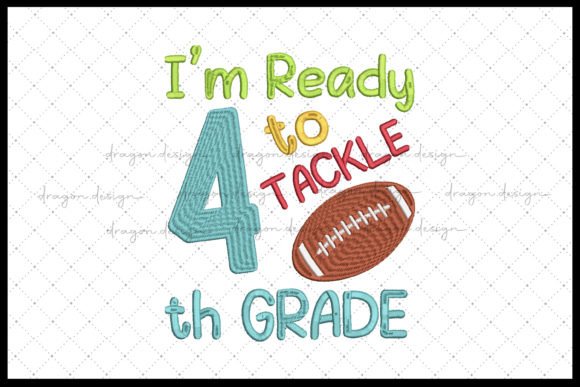
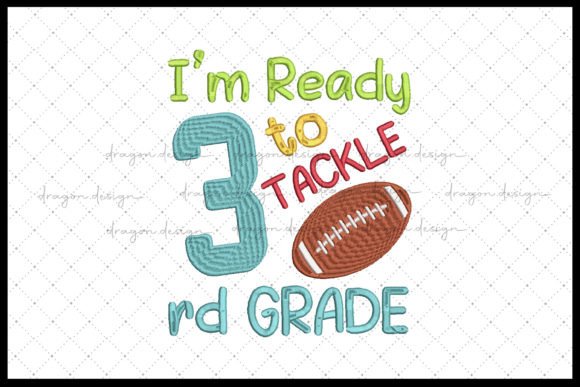
The immediate impression of I m Ready to Tackle 3rd Grade is one of playful confidence. The typography and layout, implied by the "tackle" motif, suggest energy and readiness. For a designer, this translates to a style that is friendly yet bold. It does not scream "corporate stiff," nor does it feel overly rustic or vintage. Instead, it sits comfortably in the modern, handmade aesthetic that drives sales on platforms like Etsy and in local creative studios.
For businesses outside the education sector, such as a local bakery, a pet brand, or a florist, this design offers a surprising amount of flexibility. The concept of "tackling" a challenge or a new season can be metaphorically applied to various marketing campaigns. However, its primary strength remains in the Back To School category. For apparel decorators and handmade brands, the visual personality is clean enough to be legible but decorative enough to add value to a blank garment. It feels premium when executed correctly, avoiding the cluttered look that often plagues lower-quality digital files.
Real-World Application for Small Business Merchandise
When I evaluate a digital embroidery file for commercial use, I imagine it on various substrates. Here is how I m Ready to Tackle 3rd Grade performs across different product lines:
- Embroidered Patches: This is perhaps the strongest use case. The design’s likely compact nature makes it ideal for iron-on or sew-on patches. Small businesses can produce batches of these patches to sell as standalone items or use them to upgrade plain denim jackets and backpacks. The key here is ensuring the border is saturated enough to prevent fraying after cutting.
- Custom Apparel and Uniforms: For school spirit wear or teacher appreciation gifts, this design works beautifully on polo shirts or t-shirts. When used as a chest logo accent, it provides immediate recognition. For staff uniforms in educational supply stores or tutoring centers, it reinforces brand identity while maintaining a professional appearance.
- Cap Embroidery: Front-panel cap embroidery requires precise density management. If the design is too wide, it will wrap around the curve of the cap, distorting the text. I recommend checking the width against standard cap hoops. If scaled correctly, it serves as an excellent promotional item for local businesses targeting parents and students.
- Tote Bag Design and Aprons: Canvas tote bags and kitchen aprons benefit from designs that are visually striking but not overly dense. I m Ready to Tackle 3rd Grade can act as a central focal point on a tote bag, appealing to students and teachers alike. For apron embroidery, it adds a personalized touch that increases the perceived value of the handmade product.
Technical Considerations and Production Challenges
While the aesthetic appeal is strong, technical execution is where many small business owners stumble. Before running a full production batch of commercial embroidery, you must address several critical factors regarding I m Ready to Tackle 3rd Grade.
Stitch Density and Fabric Texture: The description notes that the design looks nice on clothes and home decor. However, different fabrics react differently to stitch density. On textured fabric like terry cloth towels or heavy canvas, low-density areas may sink into the pile, making the text illegible. Conversely, on lightweight performance fabrics, high stitch density can cause puckering. I strongly advise testing the design on your specific material before committing to a large order.
Small Patch Sizes and Legibility: If you plan to use this as a small label or a tiny chest emblem, verify the minimum size. Tiny lettering can merge together if the thread colors do not have sufficient contrast against the background fabric. A common mistake is embroidering light thread on dark uniforms without an underlay or backing that provides enough lift and separation.
Stabilizer Selection: The choice of stabilizer is non-negotiable for a clean finished product. For stretchy fabrics like jersey tees, a cut-away stabilizer is essential to maintain shape. For woven fabrics like twill caps or tote bags, a tear-away might suffice, but a mesh backing could provide better support for the "tackle" elements if they involve satin stitches. Always test your hoop tension and stabilizer combination to avoid registration issues.
Enhancing Brand Identity and Customer Trust
Using a well-digitized design like I m Ready to Tackle 3rd Grade directly impacts customer trust. Sloppy embroidery with thread breaks, bird nests, or misaligned text signals amateurism. In contrast, crisp, clean stitching signals quality. When customers see consistent, professional design assets on your merchandise, they associate that quality with your entire brand.
For Etsy sellers and crafters, this design can be a cornerstone of seasonal marketing. By creating a cohesive line of products—such as matching backpack tags, lunchbox labels, and shirts—you create visual consistency. This professionalism encourages buyer engagement and justifies a higher price point. Furthermore, offering a printable mockup alongside the physical product in your online store helps customers visualize the final result, reducing return rates and increasing satisfaction.
Practical Designer Notes for Implementation
To ensure success with this embroidery file, follow these practical steps before launching your campaign:
- Test in Black and White First: Stitch out the design in a single color or high-contrast black and white. This reveals any gaps in coverage or density issues without the distraction of color changes.
- Verify Hoop Size and Licensing: The product description does not specify exact hoop sizes or license terms. You must confirm whether the file fits your standard hoops (e.g., 4x4, 5x7) and ensure you have the appropriate commercial license for selling physical goods.
- Check Thread Color Contrast: Select thread colors that pop against your base fabric. If using dark uniforms, consider using a lighter top thread or adding a white underlay to boost visibility.
- Create Client Mockups: If you are doing custom work for clients, generate a digital mockup showing I m Ready to Tackle 3rd Grade on their specific garment. This manages expectations and allows for approval before stitching begins.
- Inspect Spacing and Details: Zoom in on the digitized file. Look for jump stitches that are too long or details that are too fine for the intended scale. Adjustments may be needed in your embroidery software to optimize the file for your specific machine.
In conclusion, I m Ready to Tackle 3rd Grade is a versatile addition to your library of Back To School and general merchandise designs. Its potential extends beyond simple decoration; it is a tool for building brand recognition and delivering high-quality custom apparel and accessories. By paying attention to technical details like stabilizer choice, fabric texture, and stitch density, you can transform this digital file into a profitable, professional-grade product that resonates with your customers. Always prioritize testing and quality control to ensure that every stitched item reflects the high standards of your business.