Reviewing Font Numbers 0 to 9 for Boutique Apparel
As an embroidery designer who spends countless hours digitizing and testing files for boutique apparel, I am always on the lookout for versatile assets that elevate a collection without overcomplicating the production process. Recently, while curating resources for a new Back To School line, I took a close look at Font Numbers 0 to 9 from Creative Fabrica. This machine embroidery design promises high-quality personalization, and after reviewing its potential application on various garments, I found it to be a practical tool for decorators aiming for a clean, professional aesthetic.
First Impressions and Visual Personality
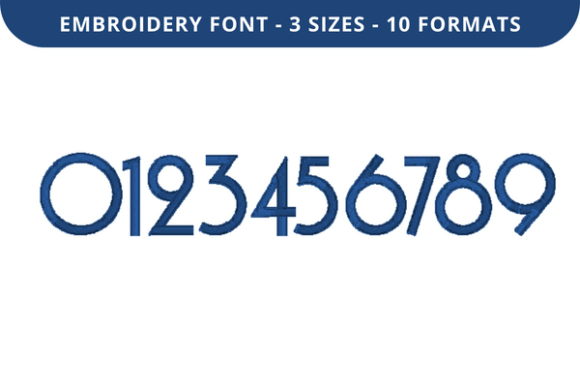
The first thing that strikes you about Font Numbers 0 to 9 is its clarity. In the world of custom apparel, legibility is paramount, especially when dealing with numerical data like dates, jersey numbers, or sizing indicators. The visual personality of this font leans towards the minimal and classic. It does not rely on excessive flourishes or overly complex satin stitches that can sometimes look bulky on lighter fabrics. Instead, it offers a streamlined look that feels premium yet approachable.
For a boutique brand, this balance is crucial. You want your designs to stand out, but not so much that they overpower the garment itself. The stitching mood here is neat and controlled. It suggests a level of craftsmanship that appeals to customers looking for handmade quality. Whether you are aiming for a cute, playful vibe for children’s wear or a more subdued, trendy look for adult streetwear, these numbers provide a solid foundation. They are decorative enough to add interest but simple enough to remain timeless.
Application on Sweatshirts and Hoodies
I immediately imagined how Font Numbers 0 to 9 would perform on my upcoming sweatshirt collection. Sweatshirt embroidery requires careful consideration of stitch density and fabric texture. Fleece and French terry can be unforgiving if the design is too dense, leading to puckering or stiffness. This font appears to handle these textures well, offering enough coverage to be visible against the looped surface of a hoodie without becoming a heavy patch of thread.
For hoodie chest placement, these numbers work beautifully as standalone elements or paired with small text. Imagine a pastel hoodie with a single embroidered date in a contrasting thread color; it creates a subtle, sophisticated look that is very popular among Etsy sellers. On darker apparel, such as navy or black oversized garments, using metallic or bright thread colors can make the numbers pop, adding a modern edge to cozy seasonal outfits. The design also lends itself well to sleeve accents, where smaller numerical details can serve as unique branding elements or size markers, enhancing the perceived value of the finished product.
Versatility Across Different Garments
Beyond hoodies, the utility of this embroidery file extends to a wide range of items. For t-shirt embroidery, the key is ensuring the stabilizer choice matches the knit fabric to prevent distortion. Since this font is described as suitable for any fabric, it likely offers a stitch structure that is adaptable. On denim jackets, the rugged texture provides a great backdrop for bold numerical designs, creating a vintage or varsity aesthetic that resonates with the Back To School theme.
Tote bags are another excellent canvas. Here, the durability of the embroidery becomes a selling point. Customers appreciate handmade products that are both stylish and functional. Using Font Numbers 0 to 9 to add personalized dates or initial combinations to canvas totes can transform a basic item into a custom gift. For lifestyle product photos and social media graphics, the clean lines of these numbers photograph well, ensuring that your printable mockups and actual finished products look consistent and professional.
Placement and Fabric Considerations
While the design is versatile, there are areas where caution is needed. Small chest placement on stretchy fabrics requires precise hooping. If the hoop size is too large for the garment section, you risk stretching the fabric during embroidery, which can lead to misalignment once the item is worn. Ribbed fabrics, often found on cuffs and collars, are particularly tricky. I recommend testing the design on scrap fabric of the same type to check how the stitches interact with the ribs.
Dense stitch areas should be monitored, especially on curved surfaces like the shoulder or sleeve cap. If the numbers are scaled down too small, the detail might get lost, or the stitches could merge, affecting readability. Always inspect the stitch density in your embroidery software before loading the file onto your machine. For dark garments, consider using an underlay stitch that matches the top thread to prevent the base fabric from showing through, ensuring a crisp, high-contrast finish.
Enhancing Brand Identity and Value
Incorporating a consistent numerical font into your small shop product line can significantly boost brand identity. When customers see the same high-quality embroidery style across different items, it builds trust and recognition. Font Numbers 0 to 9 allows for this consistency. Whether used for limited edition drops marked by year or for customized orders, the uniformity of the font helps create a cohesive collection.
For commercial embroidery projects, professionalism is key. A clean, well-digitized font reflects well on your business. It shows attention to detail and a commitment to quality. This, in turn, enhances customer engagement. Buyers are more likely to share photos of their purchases if the embroidery looks pristine, providing you with valuable user-generated content for your marketing efforts. As an Etsy seller or creative entrepreneur, this visual consistency can be the difference between a one-time buyer and a loyal customer.
Practical Designer Notes for Production
Before launching any new design into production, there are several steps I always take, and I advise you to do the same with Font Numbers 0 to 9. First, always test on scrap fabric that closely mimics your final garment material. This allows you to adjust tension and check for any pulling or puckering. Second, review your stabilizer choice. Cut-away stabilizers are generally best for knits like sweatshirts, while tear-away might suffice for woven tote bags.
Confirm the hoop size required for your specific machine. While the product description mentions it is a high-quality embroidery font, it does not specify exact dimensions or file formats in the brief provided. Therefore, it is essential to check the Creative Fabrica product details page for the included formats (such as PES, DST, or JEF) to ensure compatibility with your embroidery machine. Additionally, verify the licensing terms. Since you are likely selling finished apparel, ensure the license covers commercial use of the stitched designs.
Finally, compare placement options on actual garments. What looks good on a flat mockup might sit differently on a curved body. Take time to pin or baste the design in place before embroidering to ensure perfect alignment. By taking these precautions, you can maximize the potential of this digital embroidery file and create stunning, high-value handmade products that stand out in the marketplace.
In conclusion, Font Numbers 0 to 9 is a reliable addition to any embroidery designer’s library. Its adaptability across various fabrics and garments, combined with its clean, professional aesthetic, makes it an ideal choice for boutique apparel and sweatshirt projects. By understanding its strengths and respecting the technical requirements of embroidery, you can leverage this tool to enhance your brand and delight your customers.